
DIY Hub
AujarMart exists to build a do-it-yourself (DIY) culture in Nepal, not just to sell tools. As technician and service costs keep rising and skilled manpower grows harder to find and afford, more households need a trustworthy way to handle basic, and eventually more advanced, repairs and projects themselves, from fixing a leaking tap to childproofing a home, without waiting days for a technician or paying a premium for a five-minute fix. Each project walks through the exact tools needed and the steps involved, so readers build real skill and confidence over time, with Aujar positioned as the partner that makes self-reliance possible rather than optional.
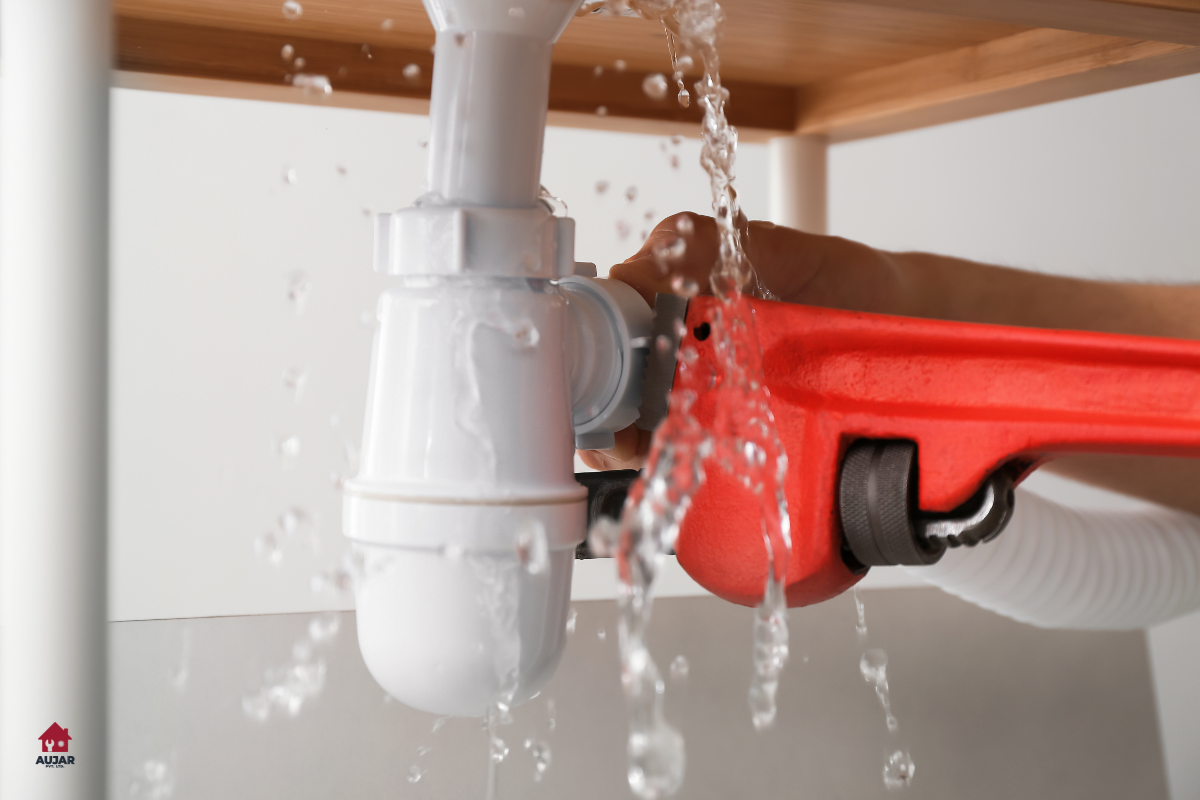
Fixing a Leaky Tap
Tools you’ll need:
- Adjustable wrench
- Screwdriver set
- Plumber’s tape (Teflon tape)
- Replacement washer or O-ring (bring the old one to match it)
Tip: Turn off the water supply to that fixture before starting. If the leak is from the pipe itself rather than the tap fitting, or you’re not confident isolating the water supply, that’s a good point to call a plumber instead.
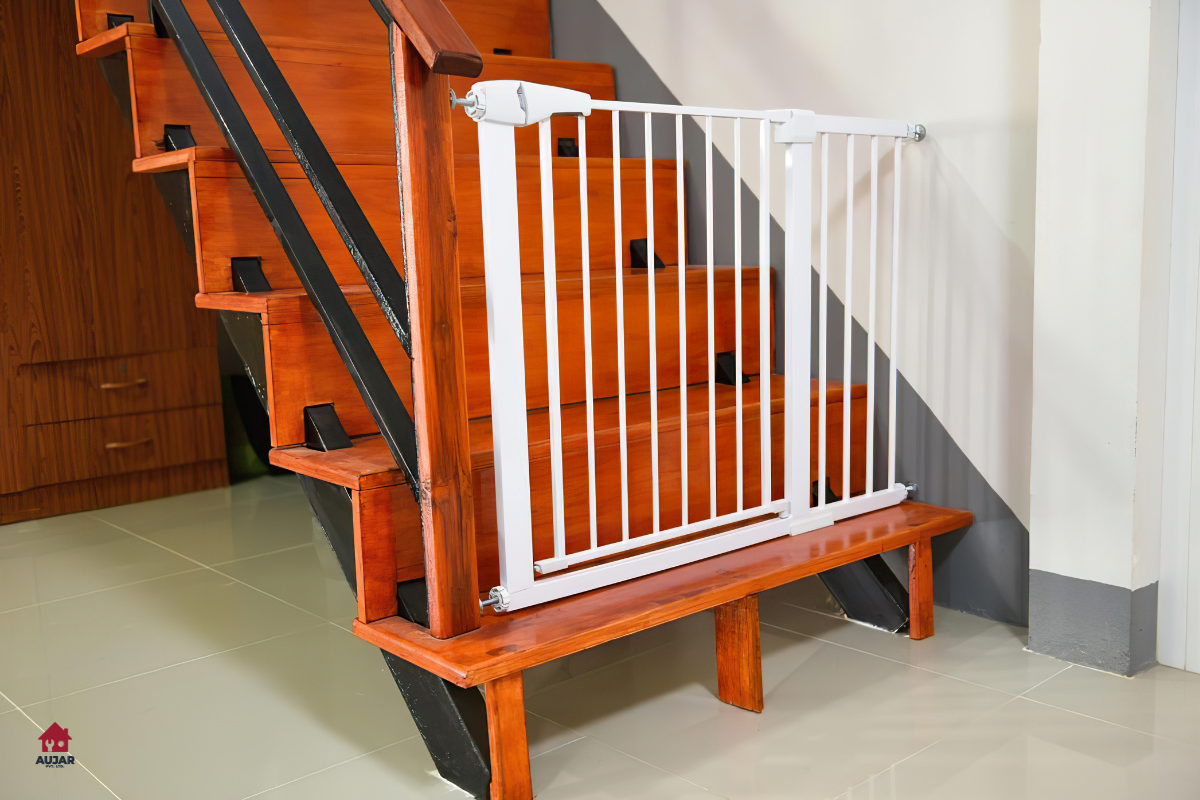
Childproofing a Home
Tools you’ll need:
- Screwdriver set
- Drill (for anchoring furniture anti-tip straps into a wall stud)
- Measuring tape
- Double-sided mounting tape or adhesive pads
Tip: Start with outlet covers and furniture anti-tip straps first — they cover the two most common injury risks, and the anti-tip straps double as earthquake-proofing.
Basic Gardening Tasks
Tools you’ll need:
- Hand trowel
- Pruning shears
- Garden gloves
- Watering can or hose
Tip: Match your tool to the plant — pruning shears for stems and small branches, a saw for anything thicker than a finger.
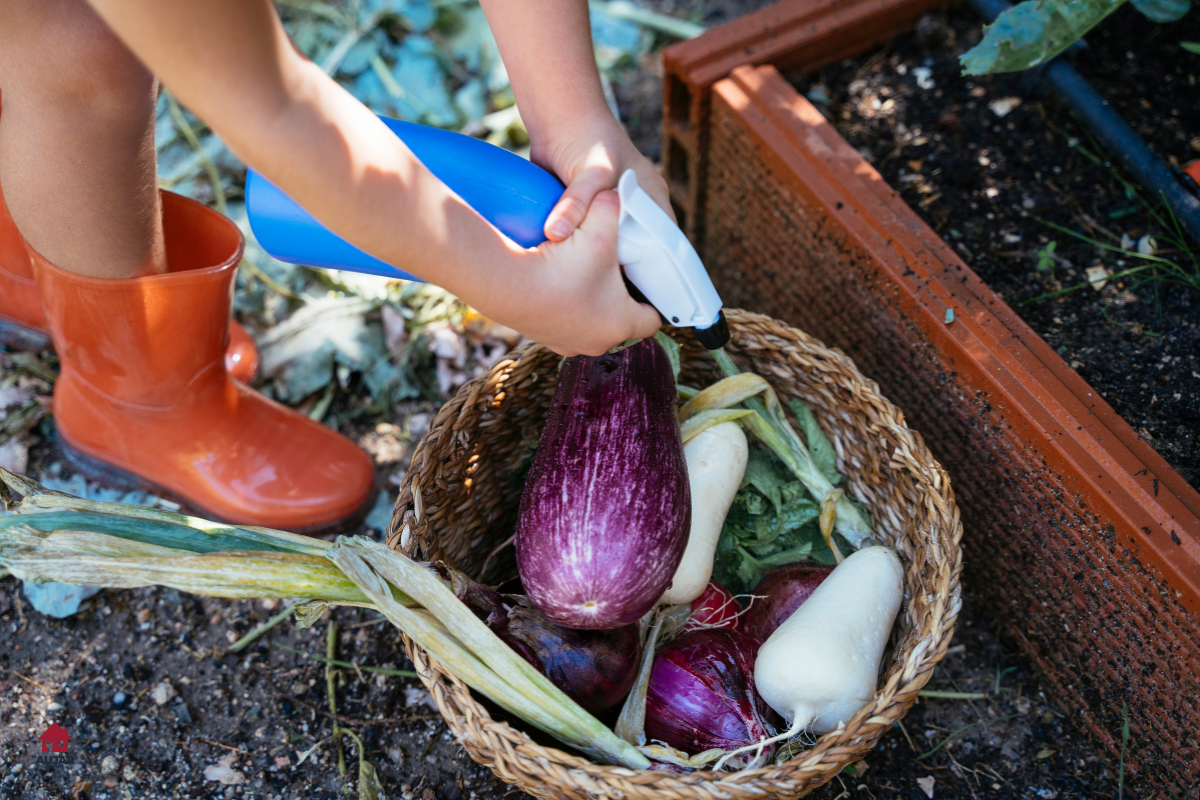
Build a Small Garden Planter Box
Tools you’ll need:
- Wood planks (rot-resistant — sal or treated pine)
- Rust-resistant screws
- Hand saw or circular saw
- Drill, with a bit sized for drainage holes
- Sandpaper
Tip: Don’t skip the drainage holes in the base — without them, roots sit in standing water no matter how good the soil is.
Hanging Shelves & Picture Frames
Tools you’ll need:
- Spirit level
- Tape measure
- Drill/Impact driver with masonry bit
- Wall plugs and screws
- Pencil for marking
Tip: Always check what’s behind the wall (pipes, wiring) before drilling, especially in older buildings.
Assembling Flat-Pack Furniture
Tools you’ll need:
- Hex key set (most flat-pack ships with one, but a full set covers you if it’s missing or lost)
- Screwdriver set
- Rubber mallet (for tapping joints together without damaging them)
Tip: Lay out and count all parts and hardware before starting — it’s much easier to catch a missing piece before assembly than halfway through.
Painting a Room
Tools you’ll need:
- Paint rollers and brushes (a few sizes for edges vs. large surfaces)
- Painter’s tape
- Drop cloths or old sheets
- Sandpaper (for smoothing rough patches before painting)
- Paint tray
Tip: Clean and lightly sand the wall surface before painting — most uneven-looking paint jobs are actually a surface-prep problem, not a paint problem.
Basic Carpentry & Shelving
Tools you’ll need:
- Tape measure and spirit level
- Circular saw or handsaw
- Drill/driver
- Sandpaper or sanding block
- Wood screws and wood glue
Tip: Measure twice before cutting — it’s the oldest advice in carpentry because it’s the most commonly ignored.
When to Call a Professional
Some jobs are worth leaving to someone qualified rather than tackling with a tool list:
- Electrical work beyond swapping a bulb or a light fixture cover — wiring, switches, and sockets should go to a licensed electrician. The risk isn’t worth a DIY attempt.
- Gas fittings and appliances — always a job for a certified technician.
- Major plumbing — anything involving cutting into pipes or working on the main supply line.
- Structural changes — load-bearing walls, roofing, or anything affecting your home’s structure.
For everything else on this page, the right tools and a bit of care go a long way.
Still Not Sure What You Need?
Tell us what you’re working on and we’ll point you to the right tools.